Emergency Dental Ontario CA: Fast, Compassionate Care and Practical Next Steps
If you face a toothache, knocked-out tooth, or sudden swelling in Ontario, CA, acting quickly makes a real difference for pain relief and long-term dental health. Call a local emergency dental office or urgent dental clinic right away—prompt care can save teeth and prevent complications.
This article shows how to recognize true dental emergencies, what to expect during an emergency visit, common urgent treatments, and how to choose a trusted Ontario provider. It also offers calming tips, steps to prevent repeat problems, and practical guidance for follow-up care so you know what to do now and next.
Recognizing Dental Emergencies
Patients should know which symptoms need urgent attention, which can wait for a next-day appointment, and how to manage pain or bleeding until they reach care. Clear signs include severe uncontrolled pain, active bleeding, swelling that affects breathing or swallowing, and knocked-out teeth.
Common Signs and Symptoms
Severe tooth pain that wakes a patient at night or doesn’t respond to over-the-counter pain relievers often indicates infection, a deep cavity, or a cracked tooth requiring prompt evaluation. Continuous, pulsating pain and fever together suggest an abscess that can spread, so it should not be ignored.
Active bleeding after trauma that soaks gauze for more than 15–20 minutes needs immediate attention to control blood loss and assess injury to surrounding tissues. Sudden mobility of a tooth after a blow, and loss of a tooth entirely, are also clear signs of serious injury.
Visible facial swelling that distorts normal features or causes difficulty opening the mouth points to spreading infection or trauma and warrants rapid assessment. Numbness of the lip, chin, or tongue after an injury can indicate nerve involvement and requires urgent evaluation.
When to Seek Immediate Care
If a patient cannot breathe, swallow, or open their mouth fully, they should seek emergency medical care or a dental emergency clinic without delay. These symptoms can indicate a rapidly progressing infection or an airway-compromising swelling.
An avulsed (knocked-out) permanent tooth needs reimplantation ideally within 30–60 minutes; keep the tooth moist in milk or Hank’s Balanced Salt Solution, or hold it in the cheek if tolerated, and get to a dentist immediately. Uncontrolled bleeding, worsening swelling despite home measures, or spreading redness toward the neck all merit same-day dental or ER care.
If pain is severe and persistent, or if a dental infection causes fever and malaise, prompt treatment reduces the risk of systemic spread. Call a qualified emergency dentist in Ontario, CA, or the nearest urgent care that handles dental trauma.
True Emergencies Versus Minor Issues
True dental emergencies require urgent professional treatment and include avulsed permanent teeth, uncontrolled bleeding, severe swelling impairing breathing, and signs of deep dental abscesses with systemic symptoms. These conditions can lead to permanent damage or systemic infection if delayed.
Minor issues that can wait for regular office hours include mild toothache controlled by analgesics, a small cracked filling without sharp fragments, or cosmetic chip without pain. For these, the patient should still call their dentist for guidance and a next-day appointment.
Use this quick checklist to decide: (1) Is breathing or swallowing affected? (2) Is bleeding uncontrolled? (3) Is there severe, unrelenting pain or a knocked-out tooth? Any “yes” indicates urgent care. For other concerns, contact the dental office for timely guidance and follow-up.
What to Expect During Your Emergency Visit
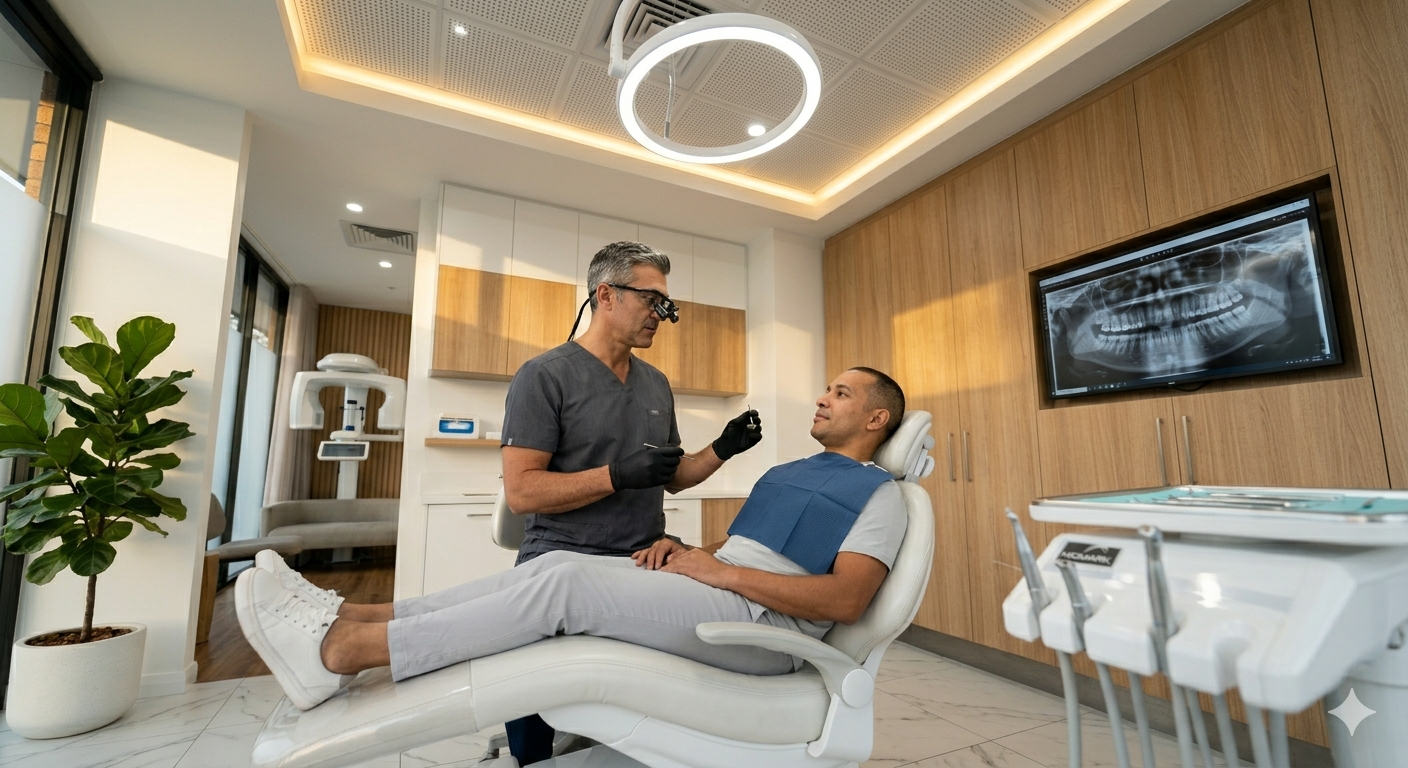
Patients can expect a focused, efficient visit that prioritizes pain control, quick diagnosis, and a clear plan for treatment. Staff will gather key medical history, address immediate discomfort, and use imaging and exams to determine urgent versus follow-up care.
Initial Assessment and Triage
When the patient arrives, the front-desk staff confirms identity, insurance, and allergy history. A dental assistant or triage nurse asks targeted questions: onset and severity of pain, any trauma, presence of swelling, fever, or bleeding, and current medications such as blood thinners or antibiotics.
The dentist performs a brief oral exam to identify visible problems — broken teeth, lacerations, swelling, or signs of infection. They grade urgency by risk: uncontrolled bleeding, spreading infection, or airway compromise gets immediate attention; isolated toothache or a lost filling may be scheduled for same-day treatment.
Expect documentation of vital signs (temperature, blood pressure) if infection or systemic symptoms are suspected. Staff explains expected wait time and next steps, and obtains consent for any immediate procedures like suturing, drainage, or extraction.
Pain Relief Options
Clinicians typically start by controlling pain with local anesthesia — a targeted numbing injection to the affected area. Local blocks enable procedures such as root canal therapy, tooth extraction, or suturing without significant discomfort.
If pain is severe, the dentist may prescribe short courses of oral analgesics: NSAIDs (ibuprofen 400–600 mg) are common unless contraindicated by stomach, kidney, or anticoagulant issues. Acetaminophen may be recommended alone or combined with NSAIDs for greater effect, following safe dosing limits.
For patients with infection, antibiotics like amoxicillin or clindamycin (for penicillin allergy) may be started to reduce spread and swelling, though antibiotics alone rarely resolve tooth pain from necrotic pulp. Sedation options (nitrous oxide or oral sedation) are available for anxious patients and are discussed prior to use.
Diagnostic Tools and Technology
Digital X‑rays (periapical and bitewing) provide high-resolution images quickly, revealing root fractures, abscesses, and bone loss. Clinics in Ontario, CA, commonly use digital sensors that reduce radiation and allow immediate image review with the patient.
Intraoral cameras give close-up views of cracked teeth and soft-tissue injuries, helping patients see the problem and understand treatment. For complex facial trauma or suspected jaw fractures, cone beam CT (CBCT) scans offer 3‑D imaging to assess bone and tooth position precisely.
Point-of-care tests such as pulse oximetry or rapid glucose checks may be used for medically complex patients before invasive treatment. All findings are reviewed with the patient, who receives clear options: same-day definitive care, temporary stabilization, or referral to a specialist when required.
Treatment Solutions for Urgent Dental Problems
This section explains practical steps to relieve pain, stabilize teeth, and restore function quickly. It highlights common in-office procedures, temporary at-home measures, and when same-day treatment is appropriate.
Managing Toothaches and Abscesses
A dentist first diagnoses the source of pain with an exam and targeted X-rays to distinguish decay, crack, or infection. For localized decay or a cracked tooth, they remove damaged tissue and place a filling or crown; this often stops pain immediately once the nerve is no longer irritated.
If the nerve is infected, the usual fix is root canal therapy to remove infected pulp, disinfect canals, and seal them. Antibiotics may be prescribed only when there is spreading infection, fever, or compromised immune status — they do not replace root canal treatment.
For severe swelling or rapidly worsening pain, dentists provide immediate drainage or refer for urgent extraction when the tooth cannot be saved. Over-the-counter pain relievers (ibuprofen or acetaminophen), cold compresses, and saltwater rinses help control symptoms until definitive care.
Repairing Broken or Knocked-Out Teeth
When a tooth is partially fractured, dentists bond fragments with composite resin or place a crown to restore shape and strength. They evaluate fracture depth; if the fracture reaches the pulp, root canal therapy is often needed before restoration.
For avulsed (knocked-out) permanent teeth, time is critical. If the tooth is replanted within 30–60 minutes and handled by the root (not scrubbed), the chance of saving it is highest. Store the tooth in milk, saline, or the patient’s saliva if immediate replantation by a dentist isn’t possible.
If replantation is impossible or delayed, options include a dental implant, bridge, or removable partial denture. Temporary soft foods and avoiding the injured area help prevent further damage while definitive treatment is planned.
Addressing Lost Fillings and Crowns
Lost fillings often expose sensitive dentin and leave a cavity prone to infection. Dentists can replace the filling with composite or amalgam depending on size and location, or build up the tooth for a crown if structural support is compromised.
When a crown dislodges but is intact, a dentist may recement it if margins are sound and there’s no decay under it. If decay or damage exists, they take new impressions and fabricate a replacement crown, often offering same-day CAD/CAM crowns in many practices.
Temporary measures include placing dental cement (available OTC) to protect the tooth and reduce sensitivity until the appointment. Patients should avoid sticky or hard foods and keep the area clean to lower risk of secondary decay.
Choosing the Right Ontario CA Dental Provider
Selecting an emergency dental provider in Ontario, CA means balancing speed, skill, and cost. Patients look for a team that answers quickly, treats pain effectively, and helps with insurance and payments.
Qualities of a Responsive Dental Team
A responsive team answers calls within a few rings and offers same-day appointment slots for acute pain or trauma. Staff triage the situation, provide clear instructions for pain control at home, and prepare the clinical team before arrival to reduce wait times.
Clinicians explain treatment options simply, including short-term pain relief versus definitive care like root canals or extractions. They document allergies, medications, and medical history up front to avoid complications with anesthesia or antibiotics. Friendly reception and clinical staff who follow up after treatment improve recovery and patient confidence.
Availability and After-Hours Services
Choose a practice that posts explicit hours and after-hours protocols on its website and voicemail. Many Ontario clinics reserve evening and weekend slots for emergencies; others partner with on-call dentists or local urgent care centers to ensure coverage.
If a clinic offers teletriage, patients can get immediate video or phone assessment to determine whether to come in, use over-the-counter pain control, or visit the hospital. Verify travel time from home and typical in-office wait so patients can plan for transport and potential sedation needs.
Insurance and Payment Considerations
Confirm the clinic accepts the patient’s dental insurance plan and ask which emergency procedures are covered, such as exams, X-rays, extractions, and endodontics. Clinics should provide a written estimate before treatment and explain co-pays, deductibles, and preauthorization requirements.
For uninsured patients, look for transparent fee schedules, sliding-scale options, or short-term payment plans. Many practices accept credit cards, CareCredit, or offer in-house financing for larger procedures. Patients should request itemized receipts for insurance claims and keep records of all communications.
Tips for Staying Calm and Comfortable
Practical steps reduce fear and make emergency dental visits more efficient. Small preparations—breathing techniques, a comfort kit, and clear communication—help patients feel in control and speed treatment.
Reducing Anxiety Before Your Visit
They should arrive 10–15 minutes early to complete forms and avoid rushing, which lowers stress. Deep, slow breathing for five minutes can reduce heart rate; inhale for four seconds, hold two seconds, exhale six seconds.
If they fear pain, suggest asking the office about topical numbing, local anesthesia options, or nitrous oxide; knowing available pain control eases worry. Bringing a trusted companion provides emotional support and helps recall instructions.
They can listen to familiar music or a short guided-relaxation track through headphones while waiting; this distracts the brain and reduces perceived discomfort. If anxiety is severe, advise calling the dentist ahead to discuss sedation or anti-anxiety medication so the team can prepare.
What to Bring to Your Appointment
They need a photo ID and any dental insurance card to speed check-in and billing. Bring a list of current medications, including dosage and last time taken, plus any allergies—this prevents harmful interactions with pain meds or antibiotics.
Pack a small comfort kit: lip balm, a soft cloth, salt for an emergency rinse, and over-the-counter pain reliever (if not contraindicated). Also bring recent dental X-rays or records if available; sending them ahead by email can shorten the visit.
If they prefer a distraction, include headphones and a charged phone. For children or those with mobility needs, bring a caregiver and any mobility aids to ensure safe arrival and transfer in the clinic.
Preventing Future Dental Emergencies
Maintaining strong teeth and using proper protection reduces the chance of sudden pain, fractures, and lost restorations. Practical daily habits and the right protective gear make emergencies less likely and help preserve dental work and natural teeth.
Healthy Habits for Strong Teeth
They should brush twice daily with a fluoride toothpaste using a soft-bristled brush, spending two minutes each time. Flossing once a day removes interdental plaque that causes decay and gum disease—both common precursors to emergency pain and tooth loss.
Limit acidic and sugary snacks between meals. Eat whole foods rich in calcium and vitamin D (milk, yogurt, leafy greens, fortified cereals) to support enamel and bone. If they have dry mouth from medications, sipping water, using sugar-free lozenges, or a saliva substitute helps reduce decay risk.
Schedule dental check-ups every six months or as recommended; professionals find small fractures, recurrent decay under fillings, and gum disease before they cause acute problems. For patients with bruxism, a custom nightguard prevents enamel wear and cracked teeth that often lead to emergency visits.
Protective Gear for Active Lifestyles
They should use a properly fitted mouthguard for sports that pose collision or fall risk—football, basketball, hockey, and skateboarding. Custom-fitted guards from a dentist provide better protection and comfort than boil-and-bite or stock options.
For patients who grind teeth, a durable custom occlusal guard made of medical-grade acrylic reduces fracture risk and preserves crowns and implants. Wear it nightly and bring it to dental visits for fit checks.
When riding bikes or scooters, a helmet with a chin guard lowers facial trauma risk. For those with braces or fixed appliances, choose a mouthguard designed to accommodate brackets; this prevents wire damage and soft-tissue injuries.
Supporting Your Ongoing Dental Health
They should schedule follow-up visits after an emergency to monitor healing and prevent recurrence. Regular checkups let the dentist catch small issues before they become urgent.
Daily home care matters just as much as office treatment. Brushing twice a day with fluoride toothpaste and flossing daily reduces the risk of decay and gum disease that can lead to emergencies.
Patients benefit from a simple action plan for at-home care after an emergency:
- Rinse gently with warm salt water for the first 24–48 hours.
- Use a soft-bristled brush and avoid the treated area if it’s painful.
- Take prescribed medications as directed and report unexpected symptoms.
They should consider protective options if injury risk is high. A custom mouthguard for sports, or a nightguard for clenching, can prevent fractures and reduce emergency visits.
Keep a short checklist of emergency contacts and dental records. Store the dentist’s after-hours number, insurance details, and any recent X-rays or treatment notes in one place.
If ongoing anxiety or sensitivity persists, the dental team can offer solutions. Modern techniques like desensitizing treatments, fluoride varnishes, or restorative work restore comfort and function.
Encourage patients to call with questions or to book a follow-up. A quick conversation can clarify care steps and help avoid future emergencies.
Frequently Asked Questions
This section answers common urgent dental concerns residents of Ontario, CA face, including how to recognize true emergencies, safe at‑home steps, when to use the ER, handling knocked‑out or broken teeth, after‑hours access, and typical costs and payment options.
How do I know if my tooth pain is a true dental emergency or something that can wait until tomorrow?
A true dental emergency usually involves severe pain (8/10 or higher), uncontrolled bleeding, visible infection with swelling that affects breathing or swallowing, or a tooth that is loose or displaced after trauma.
Mild to moderate, steady toothache without swelling, sensitivity to hot or cold, or pain that improves with over‑the‑counter pain relievers often can wait for next‑day care, but persistent or worsening symptoms should be evaluated sooner.
If I can’t reach a dentist right away, what safe steps can I take at home to protect my tooth and ease the pain?
Rinse the mouth with warm salt water (1/2 teaspoon salt in 8 oz water) to reduce bacteria and swelling.
Use OTC ibuprofen or acetaminophen per package directions for pain control, and avoid placing aspirin directly on the gum or tooth.
Apply a cold compress to the cheek for 10–20 minutes to reduce swelling and numb pain.
If food is trapped, gently floss to remove debris; do not probe deeply into a sore spot.
Keep any broken tooth fragments in milk or saline and bring them to the dentist.
Can a hospital emergency room treat a tooth infection or abscess, and when should I go in immediately?
Hospital ERs can provide urgent medical care for severe infections, IV antibiotics, and pain control, especially when swelling threatens the airway or systemic signs like fever, rapid heart rate, or confusion occur.
For localized dental infections without systemic symptoms, an urgent dental clinic or dentist can usually provide definitive care such as drainage, extraction, or root canal; reserve the ER for breathing difficulty, spreading facial swelling, or inability to swallow.
What should I do if a tooth gets knocked out or breaks, and how quickly do I need to be seen?
If a permanent tooth is knocked out, pick it up by the crown (avoid the root), rinse gently if dirty, and try to reinsert it into the socket immediately if possible.
If reinsertion isn’t possible, place the tooth in milk, saline, or the patient’s saliva and get to a dentist within 30–60 minutes for the best chance of saving the tooth.
For broken teeth, save fragments, rinse the mouth, and see a dentist as soon as possible; sharp edges can be covered with dental wax or sugarless gum to prevent soft‑tissue injury.
Are there dentists available after hours or on weekends, and what can I expect during an urgent visit?
Many dental offices in Ontario, CA offer after‑hours phone triage, extended weekday hours, or weekend emergency shifts; urgent dental clinics and some specialists list on‑call schedules.
During an urgent visit, the dentist will focus on pain control, infection management (antibiotics if needed), and a temporary or definitive fix such as bonding, crown placement, extraction, or root canal referral.
Expect a focused exam, X‑rays if indicated, and discussion of follow‑up definitive care.
How much does an emergency dental visit typically cost, and what payment or insurance options are usually available?
Emergency visit fees vary; a basic urgent exam and X‑ray often ranges from $100–$300 without insurance, with additional costs for procedures (extractions, root canals, crowns) depending on complexity.
Most dental offices accept major dental insurance plans and some medical plans for ER referrals; many also offer credit cards, CareCredit, or in‑office payment plans to spread costs.
Patients should call ahead to confirm accepted insurance, estimate charges, and ask about financing when possible.