Dental Crowns for Kids Ontario CA – Gentle Care and Modern Solutions for Your Child’s Smile
Dental crowns for kids in Ontario, CA, are a common and effective solution when a child’s tooth is damaged or decayed but still needs protection. These crowns help restore the tooth’s shape, strength, and function while keeping the child comfortable. They are designed specifically for young teeth, considering both durability and safety.
Parents often worry about their child’s comfort and fear a long, complicated process. Pediatric dentists use modern techniques to make crown placement quick and gentle. Crowns for kids not only fix problems but also help prevent further damage and support healthy dental growth.
Understanding when and why a crown is necessary can ease concerns and guide parents toward the best care for their child. If a tooth is at risk after decay or injury, a dental crown is often the best way to protect it and maintain a bright, healthy smile.
Why Dental Crowns May Be Needed for Children
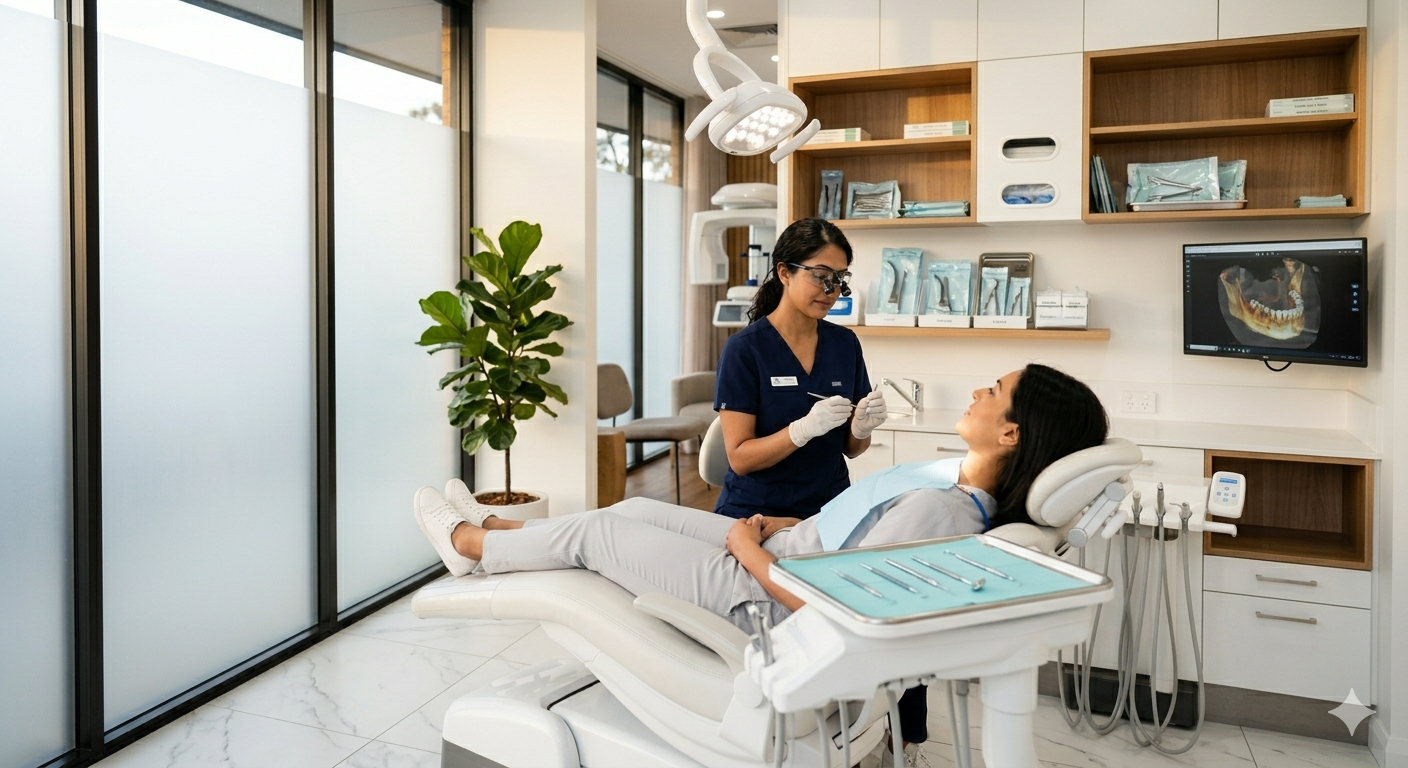
Dental crowns for kids are often recommended to protect and restore damaged teeth. They help maintain tooth structure and function while supporting healthy development.
Common Dental Issues in Kids
Children frequently face issues like cavities, fractures, and enamel wear. These problems can cause discomfort and affect chewing or speech. Crowns offer a strong solution by covering and protecting weakened teeth from further damage.
Kids with deep cavities or teeth weakened by repeated fillings might need crowns to prevent breakage. Sometimes, teeth suffer cracks or chips through accidental falls or sports injuries, making crowns necessary to restore strength and appearance.
Crowns also help when a tooth’s shape or size needs correction, improving bite and alignment. This can prevent problems later as the child’s mouth grows.
Tooth Decay and Injury
Tooth decay is the most common reason children require crowns in Ontario, CA. When decay reaches deep layers of a baby tooth, a simple filling might not hold up. The crown covers the entire tooth to stop decay from spreading and keeps the tooth functional.
Dental injuries like cracks, chips, or fractures can make a tooth vulnerable. Crowns protect these damaged teeth, reduce pain, and help children eat normally. In emergency dental visits, crowns often provide a quick, durable fix for trauma-prone children.
Without crowns, infected or fragile teeth may need extraction, which can affect speech and jaw development. Crowns preserve the tooth’s role during important growth years.
Preserving Baby Teeth
Baby teeth are more than just placeholders; they are essential for guiding adult teeth into the right position. Losing baby teeth too early can cause crowding or misalignment.
Crowns help keep baby teeth intact when decay or injury threatens. By maintaining function and space, crowns support proper jaw growth and help ensure that adult teeth come in straight.
In some cases, stainless steel crowns are used because they are durable and cost-effective. These crowns protect baby teeth until they naturally fall out at the right time. This preventive approach reduces the risk of future orthodontic treatment.
Parents can trust crowns to protect their child’s smile while supporting healthy oral development.
Types of Pediatric Crowns Available in Ontario CA
Parents looking into dental crowns for their children in Ontario CA will find several reliable options designed to balance durability, appearance, and safety. Each type serves a specific purpose depending on the tooth’s condition, location, and the child’s needs.
Stainless Steel Crowns
Stainless steel crowns (SSCs) are the most common choice for pediatric dental restoration. They are highly durable and protect baby teeth that have significant decay or damage. These crowns cover the entire tooth and are typically placed in one dental visit, which can reduce stress for young patients.
Stainless steel crowns are cost-effective and last until the primary tooth naturally falls out. Their metallic look might be less appealing for front teeth, but they are widely trusted for back molars because of their strength and ease of placement.
Tooth-Colored Options
For teeth that are visible when smiling, tooth-colored crowns offer a more natural look. These include ceramic or composite resin crowns, which blend with the child’s natural teeth. Although they may not be as strong as stainless steel crowns, they provide better aesthetics.
Tooth-colored crowns can protect the tooth effectively but might require a longer appointment or multiple visits. They are a good fit for children and parents who want a discreet option, especially for front teeth that affect appearance.
Choosing the Best Material for Your Child
Deciding on the right crown depends on several factors: the tooth’s location, the child’s bite, and how long the crown will be needed. Dentists consider durability, appearance, and the child’s comfort when recommending materials.
For example, stainless steel is usually best for molars that endure heavy chewing forces, while tooth-colored crowns suit front teeth where appearance matters more. Parents should discuss lifestyle, potential allergies, and budget with the dentist to select the most suitable crown material.
What to Expect During a Pediatric Crown Procedure
A pediatric crown procedure focuses on keeping a child comfortable while restoring a damaged tooth effectively. The process involves careful preparation, clear steps, and usually fits within a manageable appointment length, all designed with young patients in mind.
Gentle Preparation and Comfort Measures
Before starting, the dentist makes sure the child feels safe and relaxed. They often explain what will happen using simple words or demonstrations with models or pictures. Local anesthesia is used to numb the area so the child won’t feel pain during the procedure.
Safety and comfort tools like distraction techniques, soothing music, or even video screens may be available to keep anxiety low. Parents are sometimes encouraged to stay in the room for extra reassurance. The dentist’s gentle touch and positive attitude help foster cooperation and trust throughout the treatment.
Steps Involved from Start to Finish
The procedure usually begins by removing any decay and shaping the tooth to fit the crown. After preparation, the dentist selects a crown made from durable materials such as stainless steel or tooth-colored resin, depending on the tooth and location.
Next, the crown is placed over the prepared tooth and adjusted for a proper fit. Finally, the crown is cemented in place with a dental adhesive. If a stainless steel crown is used, it’s strong and often noticeable; tooth-colored options blend in better with natural teeth.
How Long the Appointment Typically Takes
Most pediatric crown appointments last between 30 to 60 minutes. The exact time depends on the tooth’s condition and the child’s level of cooperation. For a cooperative child and a straightforward case, the dentist may complete the crown in a single visit.
Longer or more complex cases might require multiple visits, especially if the child needs extra time to settle or if sedation methods are used. The dental office will usually explain the expected timing before the appointment to help families plan accordingly.
Benefits of Dental Crowns for Young Smiles
Dental crowns for kids offer targeted protection and support for damaged teeth, helping maintain healthy mouths during critical growth stages. They not only shield teeth from further harm but also restore essential functions like chewing and speaking. These crowns play a vital role in guiding proper dental development over time.
Protecting Oral Health
A dental crown acts as a strong cover over a child’s weakened or decayed tooth, preventing further damage and infection. This is especially important for teeth that have had large cavities or require root canal treatment.
Crowns reduce sensitivity and discomfort by sealing off exposed nerves. They also help maintain the shape and size of the tooth, which supports proper alignment with neighboring teeth. Without this protection, a damaged tooth might break down further, leading to more complex dental issues.
Restoring Chewing and Speaking
When a child loses part of a tooth or has extensive decay, it can affect daily functions like eating and talking. Dental crowns restore the original shape and strength of the tooth, allowing kids to chew food properly without pain or difficulty.
Crowns also improve speech clarity by maintaining tooth structure that’s important for pronunciation. This helps children speak confidently in school and social settings, avoiding frustration or embarrassment caused by missing or damaged teeth.
Supporting Long-Term Dental Development
Children’s mouths are growing, and dental crowns can support this growth by preserving the tooth until it naturally falls out or is replaced by permanent teeth. They maintain the space needed for adult teeth to come in correctly.
Crowns prevent shifting of surrounding teeth, which can cause misalignment or bite problems later. By stabilizing primary teeth, they play a role in guiding a healthy smile and reducing the need for orthodontic treatment in the future.
Caring for Your Child’s Crown at Home
Maintaining a dental crown for a child requires consistent care and attention to prevent damage and keep the area healthy. Proper oral hygiene, mindful eating habits, and regular dental checkups all play crucial roles in ensuring the crown lasts and the child’s smile stays strong.
Brushing and Flossing Tips
It’s important to encourage your child to brush twice a day using a soft-bristled toothbrush and fluoride toothpaste. They should gently clean around the crown, where plaque can build up and cause gum irritation or decay on nearby teeth.
Flossing is equally critical. Help your child carefully slide floss between the crown and adjacent teeth to remove trapped food particles. If they find flossing tricky, floss picks or water flossers designed for kids can make the process easier and more effective. Avoid harsh scrubbing near the crown to prevent loosening it.
Diet and Healthy Habits
A balanced diet that limits sugary, sticky, or hard foods helps protect your child’s crown from damage. Sticky candies and chewing gum can pull at the crown’s edges, while hard snacks like nuts or ice increase the risk of cracks or fractures.
Encourage your child to drink plenty of water throughout the day to wash away food debris and support saliva flow, which naturally defends against bacteria. Avoid frequent snacking outside mealtime, as it exposes teeth to acids that weaken enamel and the crown’s cement.
When to Schedule Follow-Up Visits
Regular dental visits are essential to monitor the crown’s condition and overall oral health. Most children should see their dentist every six months, but crowns may require closer attention.
Parents should schedule a checkup if their child feels any discomfort, notices loosening, or sees swelling or redness around the crown. Prompt professional care ensures any issues are managed early before they affect other teeth or cause pain.
How Dental Offices in Ontario CA Make Kids Comfortable
Dental offices in Ontario CA focus on creating a welcoming environment tailored to children’s needs. They combine a kid-friendly setting with skilled pediatric teams and techniques to ease anxiety. This approach helps children feel safe and supported during their dental visits.
Kid-Friendly Atmosphere
Many dental offices designed for kids include bright, colorful waiting rooms with toys, books, and games to capture their attention. Walls often feature fun artwork or characters that children recognize. These details reduce stress by making the visit feel more like play than a medical appointment.
Treatment rooms might also have TVs or tablets playing cartoons to distract kids during procedures. Seating is sized for smaller bodies, and equipment is arranged to feel less intimidating. This atmosphere helps children relax from the moment they arrive.
Experienced Pediatric Teams
Dental offices in Ontario CA typically employ professionals trained specifically in pediatric dentistry. These dentists and hygienists understand how to communicate with children at different ages, using simple language and gentle tones. Their experience helps children remain calm and cooperative.
Staff members are also skilled in recognizing signs of fear or discomfort early. They adjust their approach according to each child’s mood and needs, often using praise and positive reinforcement. This personalized care builds trust and makes visits smoother.
Options for Reducing Anxiety
To further ease worries, clinics offer several ways to reduce a child’s anxiety. These may include nitrous oxide (laughing gas) to create a calming effect without sedation. Some offices provide mild oral sedation for more invasive treatments, always under strict safety protocols.
Other non-medical methods include guided breathing, distraction with music or storytelling, and allowing parents to stay close during procedures. These options give families choices to find what best supports their child’s comfort and cooperation.
Understanding Costs and Insurance Coverage
Costs for dental crowns in Ontario, CA can vary widely depending on several factors, including the materials used and the complexity of the procedure. Insurance coverage often plays a key role in making treatment more affordable, but knowing what to expect helps families plan better.
What Impacts Treatment Expenses
The cost of dental crowns for kids depends mainly on the type of crown chosen. Stainless steel crowns are usually the most affordable option, often ranging from $200 to $400. Porcelain or ceramic crowns tend to be more expensive, costing between $800 and $1,500.
Additional factors can include the child’s age, the need for any preparatory work like pulp therapy, and the dentist’s experience. Some dental offices also charge separately for X-rays, consultations, or sedation if needed.
Navigating Insurance Benefits
Most dental insurance plans for children include coverage for crowns, but how much they cover varies. Typically, insurance will pay 50-80% of the cost, depending on the plan and whether the treatment is deemed medically necessary.
It’s important to check if the insurance has a waiting period for crowns or if they require pre-authorization. Families should also verify annual maximums and out-of-pocket limits to avoid surprises. Many dental offices will help by submitting claims and explaining coverage details.
Financial Planning for Families
Families can reduce financial stress by asking about payment plans or in-house financing offered by the dental practice. Some clinics also accept Health Savings Accounts (HSAs) and Flexible Spending Accounts (FSAs), which can save money on taxes.
Budgeting ahead can involve comparing quotes from multiple dentists. In addition, preventive care like regular check-ups helps avoid costly procedures later. Parents are encouraged to discuss all options openly with their dental provider to find a comfortable financial path for their child’s dental care.
When to Consult a Pediatric Dentist
Parents should consider consulting a pediatric dentist if their child experiences persistent tooth pain or sensitivity. These symptoms can indicate cavities or damage that may require special care, including dental crowns.
If a child has suffered a dental injury, such as a chipped or cracked tooth, it’s important to seek professional advice promptly. A pediatric dentist can assess the damage and recommend appropriate treatment to protect the tooth and prevent further issues.
Regular dental checkups starting around the age of one or when the first tooth appears help catch problems early. Pediatric dentists specialize in treating children’s teeth and can offer guidance tailored to kids’ unique dental needs and development.
Here are common signs that warrant a visit:
- Visible tooth decay or dark spots
- Difficulty eating or chewing
- Unusual tooth wear or looseness
- Early tooth loss or delayed eruption
A pediatric dentist uses gentle techniques designed to keep children comfortable and calm. They can explain procedures in a kid-friendly way and help parents understand the best preventive dental care for their child.
Reaching out early can make treatments like dental crowns less stressful and more effective. It’s always a good idea to schedule an appointment if there are any concerns about a child’s oral health.
Frequently Asked Questions
Choosing the right dental treatment for a child involves understanding when a crown is needed, what materials are best, and what to expect during and after the visit. Costs, comfort, and proper home care also play important roles in ensuring a smooth experience.
How do I know if my child truly needs a crown, or if a filling would be enough?
A dental professional will assess the extent of decay or damage. If the tooth is severely weakened or has a large cavity, a crown can provide better protection than a filling alone.
Fillings work well for small to moderate cavities, but crowns are often recommended when the tooth structure needs reinforcement or after a root canal.
What types of crowns are commonly used for children, and how do they differ in look and durability?
Stainless steel crowns are the most common for kids because they are durable, cost-effective, and fit well on baby teeth. They have a metallic appearance but last through the tooth’s natural lifespan.
Tooth-colored crowns, like zirconia, offer a more natural look but may be less durable and cost more. Dentists decide based on the tooth’s location, appearance concerns, and budget.
Will getting a crown hurt my child, and what comfort options are available during the visit?
The procedure is done under local anesthesia, so children typically feel no pain during treatment. Sedation options such as nitrous oxide (“laughing gas”) may be offered to help anxious children relax.
Dentists use gentle techniques and explain each step to make the experience as comfortable as possible for young patients.
How long does a child’s crown appointment usually take, and what should we expect step by step?
The visit usually lasts 30 to 60 minutes. It starts with numbing the area, followed by cleaning the tooth and removing decay.
Next, the tooth is shaped to fit the crown, and the crown is placed or temporarily fitted. Sometimes a separate visit is needed if a custom crown is used.
How do we care for a crown at home, and what foods or habits should my child avoid?
Good brushing and flossing remain essential to prevent decay around the crown. Avoiding sticky, hard, or chewy foods protects the crown from damage.
Discourage habits like nail biting or chewing on hard objects to extend the crown’s life and keep the child comfortable.
How much do children’s dental crowns typically cost, and what does dental insurance usually cover?
Costs vary widely but often range between $200 and $600 per crown. Stainless steel crowns tend to be less expensive than tooth-colored options.
Most dental insurance plans for children cover some or all of the cost, especially when crowns are medically necessary. Checking with your provider ahead of time is recommended.