Dental Crowns for Kids Ontario CA Guide to Comfort and Care for Your Child’s Smile
Parents in Ontario, CA often worry about how to protect their children’s teeth when cavities or injuries occur. Dental crowns for kids are a reliable option that helps restore damaged teeth while keeping the smile strong and healthy. These crowns act like shields, covering and safeguarding weak teeth until they naturally fall out.
Kids’ teeth can be tricky to treat because they need careful care to avoid discomfort and preserve tooth development. Dentists in Ontario offer modern, kid-friendly crown options designed to be durable and comfortable, making visits less stressful for both children and parents. Knowing when and why crowns are used can help families feel more confident about pediatric dental care.
If your child’s dentist recommends a crown, it means they’re focusing on long-term dental health, ensuring your child’s mouth stays functional and pain-free. Learning about these treatments ahead of time can make the process smoother and support your child’s best oral care.
Understanding Dental Crowns for Children
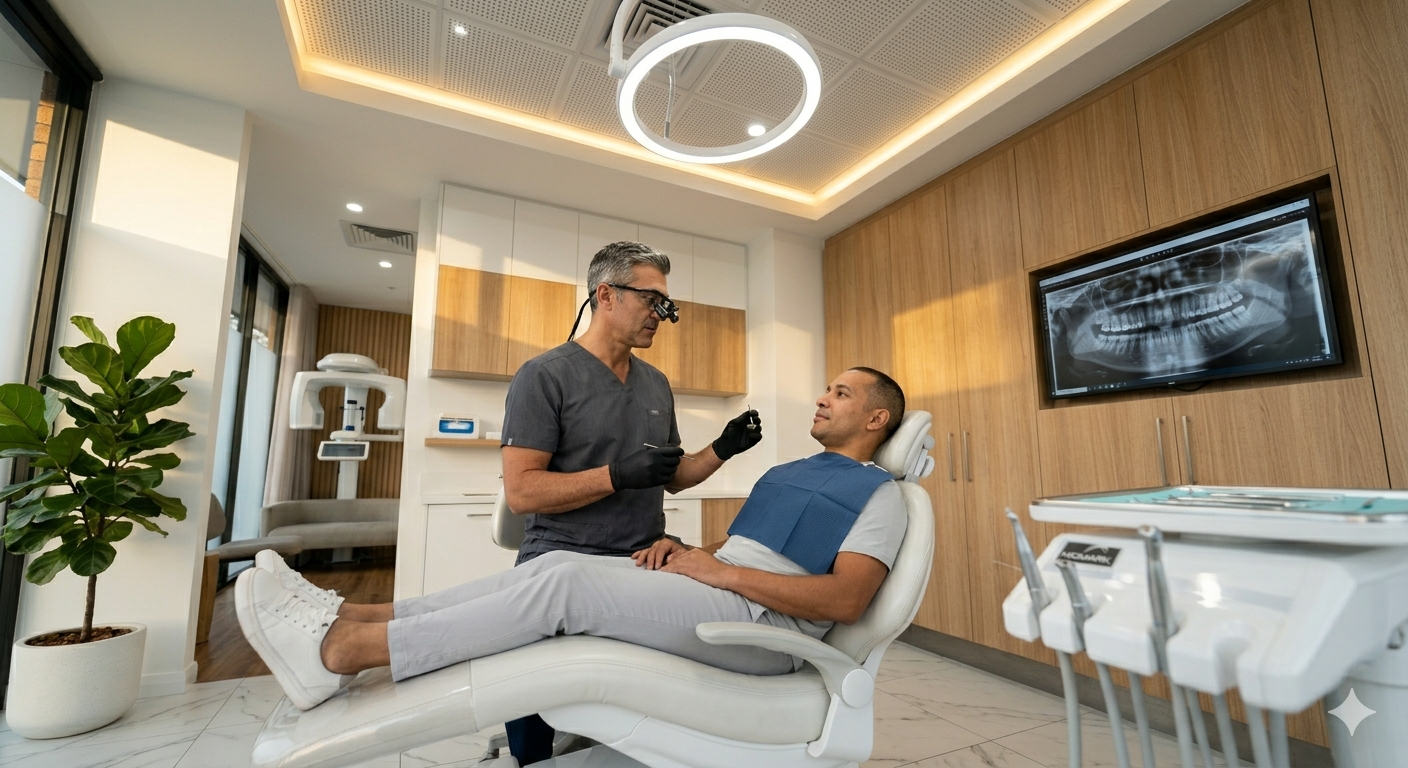
Dental crowns for children serve to protect and restore teeth that are damaged or decayed. They come in different materials designed specifically for young, developing teeth. Crowns also help maintain proper function and appearance while supporting oral health during growth.
Why Kids Need Dental Crowns
Children often need dental crowns when a tooth has severe decay or has been damaged by injury. Because baby teeth are essential for guiding permanent teeth into place, saving them can prevent future alignment problems. Crowns are especially useful when a filling would not provide enough strength or protection.
A crown covers the entire visible part of the tooth, adding durable support. This prevents further decay and reduces pain from exposed nerves. Sometimes, crowns are placed after root canal treatment to ensure the tooth stays intact until it naturally falls out.
Types of Pediatric Dental Crowns
Several types of crowns are suitable for children, each with pros and cons. Stainless steel crowns are common because they are strong, affordable, and last until the baby tooth sheds. These are metal and not tooth-colored but can be placed quickly with minimal visits.
Tooth-colored crowns, like zirconia, offer a natural look. They are made from strong ceramic materials but tend to cost more and may need more precise fitting. Dentists choose the type based on the tooth’s location, the child’s bite, and family preferences.
How Crowns Help Protect Young Teeth
Crowns act as a shield, restoring shape and function after decay or trauma. They prevent cracks or fractures that can lead to infection or early tooth loss. Protecting baby teeth helps maintain chewing efficiency and proper speech development.
Crowns also reduce sensitivity by covering exposed nerves or weak spots. They keep surrounding teeth from shifting by filling the gap caused by decay or breakage. This helps maintain space for permanent teeth to erupt correctly.
Signs Your Child May Need a Crown
Identifying when a child needs a dental crown can help prevent further damage and discomfort. Signs often include both physical symptoms and visible changes in teeth that parents should watch for closely.
Common Dental Issues in Children
Children commonly develop cavities that can weaken their teeth. When decay is extensive or a tooth suffers a large fracture, a crown might be necessary to protect what remains. Teeth that have undergone root canal treatment also often need crowns to maintain strength.
Injuries from falls or sports can crack baby teeth, leading to the need for crowns to prevent pain and infection. Some children have developmental defects causing thin enamel, which crowns can help shield. Crowns also play a role when a tooth is worn from grinding or severe decay.
What Parents Should Look For
Parents should watch for persistent tooth pain or sensitivity to hot, cold, or sweet foods. Visible chips, cracks, or large dark spots on a tooth can signal damage needing a crown. Difficulty chewing or avoiding chewing on one side might also indicate a problem.
If a tooth looks unusually small, misshapen, or fragile, a dentist may recommend a crown to restore its function and appearance. Regular dental checkups are essential since children might not always report discomfort or show obvious signs right away.
The Pediatric Crown Procedure Explained
Dental crowns for kids in Ontario, CA, involve a careful process designed to protect young teeth while keeping children comfortable. The visit includes preparation, fitting, and advice for care at home to ensure the crown lasts and the tooth stays healthy.
What to Expect During a Dental Visit
When a child arrives for a crown procedure, the dentist begins by examining the affected tooth and taking X-rays if needed. This helps determine if a crown is necessary to protect the tooth from further damage.
The tooth is then gently cleaned and shaped to fit the crown. If decay is present, it will be removed first. Local anesthesia is usually applied to keep the child comfortable throughout the process.
Once the tooth is ready, the dentist places a stainless steel or resin crown. These materials are durable and safe for children’s teeth. The crown is adjusted to fit perfectly and cemented in place.
Comfort and Care for Young Patients
Pediatric dentists prioritize comfort by using child-friendly language and calming techniques. Distractions such as videos or toys help ease anxiety during the procedure.
Pain management is a key focus. Local anesthetics block discomfort, and dentists monitor children closely to ensure they feel safe and relaxed. The clinic environment is often bright and welcoming, designed specifically for young patients.
Parents are encouraged to stay close and support their child verbally. This reassurance often makes a big difference in how a child responds to the treatment.
Aftercare Tips for Families
After the crown is placed, normal eating can usually resume once numbness wears off. Sticky or hard foods should be avoided for a few days to prevent dislodging the crown.
Good oral hygiene remains crucial. Brushing twice daily with fluoride toothpaste and flossing around the crown helps prevent decay and gum issues.
Follow-up visits ensure the crown fits well and the tooth beneath remains healthy. Parents should watch for signs like pain, swelling, or looseness and contact the dentist promptly if any problems arise.
Choosing the Best Crown for Your Child
Selecting the right crown for a child involves balancing appearance, durability, and comfort. Parents want a solution that protects the tooth while fitting their child’s lifestyle and smile.
Comparing Materials: Stainless Steel vs. Tooth-Colored Options
Stainless steel crowns are a common choice for kids because they are strong, cost-effective, and quick to place. They cover the entire tooth, offering excellent protection against decay and damage. While they stand out due to their metallic color, many dentists recommend them for back teeth where appearance is less critical.
On the other hand, tooth-colored crowns made from composite resin or zirconia blend well with natural teeth. They provide a more aesthetic option, making them popular for front teeth or visible areas. However, they can be pricier and sometimes less durable than stainless steel, especially if the child has habits like teeth grinding.
Parents should weigh the importance of appearance against the child’s oral habits and the location of the tooth needing treatment.
Durability and Longevity Considerations
Durability is a crucial factor in choosing a crown for kids. Stainless steel crowns tend to last several years without chipping or cracking, making them ideal for active children. They resist wear and are less likely to require replacement before the baby tooth falls out naturally.
Tooth-colored crowns offer good durability, particularly zirconia crowns, which are also strong and biocompatible. However, composites may wear down faster and need more maintenance.
Dentists usually consider the child’s age and how soon the baby tooth will naturally shed before recommending the type of crown that balances longevity with function.
Preventive Care and Long-Term Oral Health
Maintaining a child’s dental health goes beyond treating cavities with crowns. Everyday habits, regular dental checkups, and smart food choices all play vital roles in keeping young teeth strong and healthy for years to come.
Encouraging Good Habits at Home
Parents can make a big difference by establishing consistent oral hygiene routines. Brushing twice daily with fluoride toothpaste and flossing once a day helps remove plaque before it causes decay. Using a soft-bristled toothbrush suited for children’s small mouths ensures gentle but effective cleaning.
Setting a timer or playing a two-minute song can make brushing fun and help kids brush long enough. Supervising brushing until children develop good technique, usually around age 7 or 8, decreases the chances of missed spots and improves effectiveness. Positive reinforcement through praise or reward charts encourages daily commitment.
Routine Dental Visits
Regular dental appointments allow early detection and treatment of potential issues. Twice-yearly visits for professional cleanings and exams are recommended even if children have dental crowns. Dentists can check crown fit and integrity, ensuring no new problems have developed.
During visits, fluoride treatments and dental sealants may be applied to protect teeth from decay. Early interventions can prevent the need for more invasive treatments later, saving discomfort and cost. Scheduling visits before school holidays or summer breaks helps keep checkups consistent.
Dietary Choices That Support Healthy Teeth
What kids eat and drink affects crown longevity and overall oral health. Limiting sugary snacks and beverages reduces acid attacks on teeth that cause cavities. Water is the best drink to keep mouths hydrated and wash away food particles between meals.
Including calcium-rich foods like milk, cheese, and yogurt strengthens teeth and supporting bone structures. Crunchy fruits and vegetables such as apples and carrots stimulate saliva, which helps neutralize harmful acids. Avoid sticky or hard candies that can damage crowns or natural teeth.
Pediatric Dental Resources in Ontario, CA
Ontario families have access to a variety of supportive services and professionals to help manage their children’s dental health. These resources focus on comfort, expert care, and education to make dental visits easier for kids and parents alike.
Finding a Kid-Friendly Dentist
When choosing a dentist for children, comfort and experience matter most. In Ontario, CA, many dental offices specialize in pediatric care, offering gentle approaches and kid-friendly environments designed to reduce anxiety.
Look for dentists who use modern techniques like nitrous oxide or sedation dentistry if needed. Many offices also provide distraction tools such as TVs or games during treatments. Parents should verify the dentist’s credentials, asking if they are board-certified in pediatric dentistry.
A welcoming atmosphere, clear communication, and staffs’ ability to explain procedures in simple terms are good signs. Scheduling a visit just to meet the dentist beforehand can help kids feel more at ease.
Community Programs for Families
Ontario offers several community-based dental programs that support children’s oral health, especially for families with limited access to care. Programs like Smile Ontario provide screenings and treatment vouchers for kids under 18.
Local clinics often partner with schools to offer sealants and fluoride treatments during school hours. These preventive services are free or low-cost and help reduce cavities in vulnerable populations.
Parents can also access educational workshops on oral hygiene and nutrition through community centers and health departments. These programs emphasize preventive care, encouraging habits that protect dental crowns and natural teeth.
Participation in these programs often requires proof of residency or income, so checking eligibility early is helpful. They provide practical options to maintain dental health without financial strain.
Supporting Your Child Through their Dental Journey
Helping a child feel comfortable during dental visits is important. Parents can prepare their child by explaining what to expect in simple, positive terms. Avoid using scary words like “pain” or “needle” and instead focus on the friendly staff and the quick, gentle care they will receive.
Distractions like favorite toys or stories during the visit can ease anxiety. Some dental offices in Ontario, CA, offer child-friendly environments designed to make visits fun and less intimidating. This helps children build trust with their dentist over time.
Using consistent routines before and after appointments supports emotional comfort. Parents can praise their child’s bravery and let them know the crown helps protect their tooth and keep their smile healthy.
Here’s a quick list of tips for parents to support their child:
- Explain dental procedures in a calm, simple way
- Bring comfort items like a blanket or toy
- Choose a pediatric-friendly dental office
- Praise cooperation, even for small steps
- Ask the dentist any questions beforehand
Children’s dental health is a team effort, and involving them with explanations and support builds confidence. Encouraging regular visits and open conversations helps set up a positive mindset for lifelong oral care.
Frequently Asked Questions
Many parents want to understand when crowns are needed, what types are available, and how these treatments feel for their child. Cost, durability, and finding a caring dentist with pediatric experience are also common concerns.
When does a child actually need a crown instead of a filling?
A crown is usually needed when a tooth is severely decayed or broken, and a filling won’t provide enough support. Crowns protect weak teeth and help prevent further damage.
What types of pediatric crowns are available, and which option looks the most natural?
Stainless steel crowns are common for strength but don’t look like natural teeth. Tooth-colored crowns made from zirconia blend in well and offer a more natural appearance, especially for front teeth.
How much do crowns for children typically cost, and what does insurance usually cover?
Costs vary but often range between $800 and $1,500 per crown. Many dental insurance plans cover part of the cost, especially if the crown is medically necessary.
Will my child feel pain during the crown appointment, and what comfort options are available?
Local anesthesia is used to keep the child comfortable and pain-free during the procedure. Dentists may also offer sedation or distraction techniques to reduce anxiety.
How long do children’s crowns last, and what happens when the baby tooth falls out?
Crowns can last several years, typically until the baby tooth naturally falls out. Once the baby tooth sheds, the crown is removed with it, making room for the adult tooth.
How do I choose a kid-friendly dentist nearby who has experience placing crowns?
Look for a pediatric dentist who specializes in children’s dental care and uses gentle, patient-centered approaches. Reading reviews and scheduling a consultation can help find a good fit.